

When a truck, machine, or essential technology fails, the wrong financing structure can put unnecessary pressure on a small business’s cash flow. The right choice depends less on the equipment label and more on whether you need one known purchase or flexible access for several needs over time.
Check funding opportunities with Lyft Capital.
The key difference in equipment loan vs equipment line of credit is how you receive and repay funds. An equipment loan typically provides a lump sum for one purchase with a defined repayment schedule. A line of credit can provide reusable access as needs arise. Your purchase timeline, cash reserves, expected equipment use, and repayment preferences should guide the decision, subject to approval and review.
Before comparing flexibility and cash-flow impact, it helps to understand what a business equipment loan finances. It also helps to understand ownership and why a fixed structure may suit a clearly defined purchase. For broader context, review this guide to small business equipment financing.
What Is a Business Equipment Loan?
A business equipment loan is lump-sum financing used to purchase a specific piece of equipment or a defined group of equipment. The business receives an approved amount for a known purchase instead of an open pool that it can draw repeatedly. The loan is generally repaid through scheduled payments over a defined term. This structure can make a one-time investment easier to plan for when equipment is expected to generate revenue for years.
The equipment itself helps explain the purpose of the financing. A contractor may need an excavator, loader, or skid steer. A transportation company may need a truck or utility vehicle. A medical practice may be replacing a specialized machine, while a growing office may be upgrading technology. The owner can connect the funds to a particular business asset rather than treating financing as unrestricted working capital.
With an equipment loan, the application and approval process may consider the equipment, its invoice, the business’s financial profile, and its expected usefulness. The exact payment amount, term, documentation, and other conditions depend on the approved agreement. A financing specialist can help you evaluate whether the payment plan fits the equipment’s expected contribution to cash flow. Lyft Capital’s Equipment Financing is designed to help businesses acquire necessary equipment while preserving cash reserves, subject to approval and review.
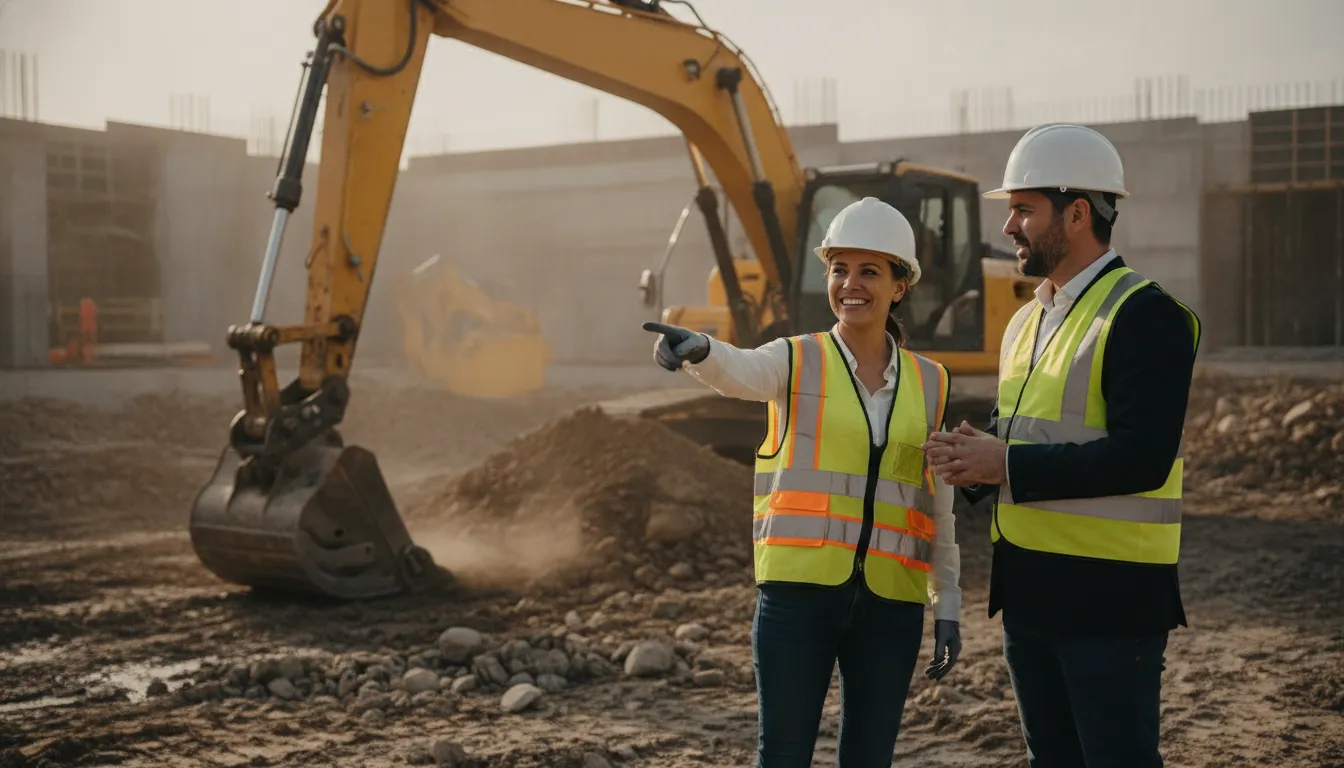
How the loan structure works
The defining feature is a single disbursement tied to a planned purchase. Once the equipment is acquired, repayment normally begins according to the agreement. The business does not usually keep drawing from the same loan as new needs arise. If another purchase is needed later, the owner would typically evaluate a new financing request or another available source of capital.
- Lump-sum funding: The proceeds are allocated to a known equipment purchase, often based on a vendor quote or invoice.
- Fixed repayment structure: Scheduled payments and a defined term support budgeting, although the actual terms must be confirmed in the financing agreement.
- Asset ownership: The business generally owns the equipment, while the financing is being repaid, subject to the agreement and any security interest.
- Potential collateral: The equipment may support the financing through a lien or other security interest. The agreement determines what collateral is required and when any lien is released.
Ownership brings responsibilities
Ownership can be valuable because the equipment remains a business asset after the obligation is paid in full. It also makes the owner responsible for maintenance, insurance, repairs, and depreciation. Include those costs in the decision.
A landscaping company might finance a mower before its busy season. A delivery business replacing an aging vehicle should consider insurance, repairs, and the revenue protected by reliable transportation. A business that knows which asset it needs may find a loan easier to manage than flexible credit.
The best fit depends on whether the purchase is known, the equipment should last through repayment, and scheduled payments fit conservative cash-flow projections. Ask the financing specialist to explain ownership, collateral, payment timing, and current conditions before accepting an offer.
What Is an Equipment Line of Credit?
An equipment line of credit is a revolving borrowing arrangement intended to give a business repeated access to capital for equipment-related needs. Instead of receiving the entire approved amount at once, the business has an available limit and draws only when it needs funds. After a draw is repaid, availability may be restored for another draw, subject to the agreement and the lender’s rules. That draw, repay, and reuse cycle is the central difference between a line of credit and a one-time equipment loan.
This structure can help when the next purchase is not known on the day the business applies. A repair shop might replace one tool now and another later. A contractor may need different attachments as projects are awarded. A revolving facility can provide access without requiring one large disbursement before every need is clear.
In general, a line of credit’s borrowing cost is tied to the amount drawn rather than the full unused limit. The actual treatment depends on the approved agreement. Availability, payment rules, collateral, renewal terms, and other conditions vary. Do not assume that an approved limit is permanent or that every future draw will receive the same treatment. Review the agreement and ask a financing specialist how repayment and reuse work before relying on the facility.
Draw, repay, and reuse
The cycle is easier to understand with a simple example. Suppose a business has an approved revolving limit and draws part of it for a replacement tool. The owner makes payments under the agreement. As the balance is reduced, some or all of the repaid availability may become usable again. The owner could later draw for another approved business need instead of applying for a new facility each time. The agreement controls the details. This example describes structure, not a promise of availability.
- Draw: Access only the amount needed for an eligible purchase or working-capital purpose.
- Repay: Make required payments according to the facility’s schedule and terms.
- Reuse: Use restored availability for a later need if the facility remains open and the draw is permitted.
Do not confuse product names
Lyft Capital offers a named Business Line of Credit for ongoing access to working capital. That is not the same as claiming that Lyft Capital offers a separate product specifically named an equipment line of credit. A business line of credit may be relevant when equipment purchases are part of broader, recurring cash-flow needs, but product fit and permitted uses must be confirmed with a financing specialist.
An equipment-specific line may have rules focused on identified assets, while a general business line may be evaluated around working capital and the business’s overall needs. Ask what the facility can be used for, whether equipment purchases are eligible, how draws are requested, and what happens when availability is used or renewed.
A line of credit also requires discipline. Flexible access can support continuity, but it can make borrowing less visible than a single loan. Track every draw, connect it to a business purpose, and preserve enough operating cash for payroll, taxes, repairs, and ordinary expenses. If the business needs one known asset and wants one predictable repayment plan, a business equipment loan may be the clearer structure. If needs are recurring or uncertain, a properly reviewed Business Line of Credit may provide useful flexibility.
How Do Equipment Loan and Line of Credit Differences Affect Your Business?
The phrase equipment loan vs equipment line of credit describes a choice between two different borrowing structures, not simply two names for the same product. An equipment loan is usually built around one known purchase and one repayment plan. A line of credit is designed around access that can be drawn, repaid, and potentially reused. The right structure depends on how certain the purchase is, how the business receives revenue, and how much control the owner wants over future borrowing.
Start with the timing of the need. If a vendor has provided an invoice for a machine that the business has already selected, a lump-sum loan may be easier to connect to that purchase. If the business expects several equipment needs but cannot identify every item yet, a revolving facility may be more adaptable. Neither structure removes the need for approval, documentation, or a realistic cash-flow review. The agreement determines the actual amount, eligible use, payment schedule, collateral, and other conditions.
| Business consideration | Equipment loan | Business line of credit |
|---|---|---|
| Disbursement | Usually one lump-sum disbursement connected to a defined purchase. | Access is generally taken in separate draws as eligible needs arise. |
| Repayment | Scheduled payments over a defined term, with the payment plan set in the agreement. | Payments follow the facility rules and are tied to the balance drawn and other stated conditions. |
| Repeat access | The original loan is not normally reused after the proceeds are disbursed and repaid. | Repaid availability may be used again while the facility remains open and draws are permitted. |
| Best fit | One known machine, vehicle, technology upgrade, or replacement asset. | Recurring, seasonal, uncertain, or multiple needs that require flexible access. |
| Ownership | The business generally owns the financed equipment, subject to the agreement. | Ownership depends on what the draw purchases and the terms of that transaction. |
| Cash-flow planning | A defined payment can make a single investment easier to forecast. | Flexible draws can preserve cash, but the owner must monitor changing balances and future obligations. |
| Potential collateral | The purchased equipment may support the financing through a lien or other security interest. | Collateral requirements depend on the facility and may not mirror a dedicated equipment transaction. |
Cash flow and repayment visibility
A loan creates a clear starting point. The business knows the amount borrowed, the expected repayment schedule, and when the obligation should be completed if payments are made as agreed. This can help an owner compare the scheduled obligation with the revenue the equipment is expected to support. Budget for maintenance, insurance, downtime, and other ownership costs as well.
A line of credit creates more operational flexibility, but it requires active oversight. Record each draw, identify its purpose, watch remaining availability, and understand how repayment changes the balance. Use a simple cash-flow forecast for expected draws, repayments, payroll, taxes, inventory, and emergency reserves.
Ownership, collateral, and business control
With an equipment loan, the financed asset is easy to identify. The borrower generally owns it while repaying the loan, while the lender may have a security interest until the obligation is satisfied. Ownership gives the business control over the asset, but it also puts maintenance and depreciation responsibilities on the owner. Ask when a lien is released and whether other collateral or a guarantee is required.
A business line of credit can be used for working capital when permitted by the agreement. If a draw is used to buy equipment, the business may own that equipment. But the credit facility’s security terms can be different from those of a loan tied to one asset. Confirm whether an equipment purchase is an eligible use, how the draw is documented, and whether the facility can be renewed or changed. Do not treat an available limit as guaranteed future funding.
Choosing the structure
Choose the loan when the equipment is identified, the invoice is ready, the useful life supports the repayment period, and predictable payments fit the business’s conservative forecast. Consider the line of credit when needs repeat, timing is uncertain, or preserving cash for several operating demands matters more than one fixed disbursement. Lyft Capital’s Business Line of Credit is a named working-capital product, not an automatic promise of a dedicated equipment line. A financing specialist can review the use case and explain current options, subject to approval and review.
The better choice is the one whose repayment behavior matches the way the asset or working capital will produce value. Write down the purchase, useful life, revenue timing, maintenance burden, and backup plan before applying. That preparation gives the financing specialist useful context.
When Is an Equipment Loan the Better Fit?
An equipment loan is often the better fit when the business has one known purchase, a clear vendor invoice, and a reasonable expectation that the asset will remain useful throughout the repayment period. The owner can identify what is being bought, why it is needed, and how it should support revenue or reduce operating strain. That clarity makes a lump-sum financing structure easier to evaluate than an open-ended facility.
Use a loan for a defined purchase
Start with the purchase order or vendor invoice. A specific asset gives the lender and the business a common reference point for the application. It also helps the owner test whether the equipment is essential, whether the price reflects the intended configuration, and whether the expected business benefit justifies the obligation. The approved amount, payment plan, and conditions still depend on review, so an invoice is useful evidence of the need rather than a guarantee of approval.
Useful life is the next test. Financing a durable asset may make sense when the equipment should produce value for years, while financing a short-lived or rapidly obsolete item over a longer period can leave the business paying after the asset has stopped helping. Consider expected maintenance, replacement parts, warranties, insurance, downtime, and resale value. The goal is to align the repayment obligation with the period in which the equipment can reasonably support the business.
Choose predictability when cash flow supports it
A defined loan payment can make budgeting simpler. The owner can place the scheduled obligation in a monthly cash-flow forecast and compare it with conservative revenue expectations. This is especially useful when the equipment has a regular role, such as a truck serving established routes, a machine used for contracted production, or a commercial oven supporting a stable menu. A predictable payment does not make the obligation risk-free. Leave room for slower months, repairs, taxes, payroll, and other operating commitments.
Equipment financing can also help a business acquire an asset without draining all of its cash reserves. Lyft Capital’s Equipment Financing page describes equipment financing for items such as trucks, machinery, vehicles, office equipment, and technology. Current terms and payment amounts should be confirmed with a financing specialist, and any application remains subject to approval and review.
Replace before a breakdown becomes a crisis
Waiting until equipment fails can turn a planned purchase into an emergency. A landscaping company may replace a mower before peak season. A contractor may replace an aging excavator before a major project. A delivery business may replace a vehicle before repairs threaten its schedule. In each case, the owner can investigate the asset, obtain an invoice, compare useful life, and build a payment into the operating plan.
A loan is particularly practical when the business does not expect to make additional equipment purchases soon. It gives the owner one asset, one purpose, and one repayment plan to monitor. If the business instead expects frequent purchases, uncertain project demands, or seasonal draws, a line of credit may deserve comparison. Ask a financing specialist to review both the purchase details and the broader cash-flow picture before choosing.
When Does a Business Line of Credit Make More Sense?
A Business Line of Credit may make more sense when a business has recurring, seasonal, uncertain, or multiple capital needs. The owner may know that equipment spending is coming without knowing the exact item, timing, or amount of every purchase. A revolving structure can provide access as needs develop, rather than requiring one large disbursement before the plan is complete. Product eligibility, availability, and repayment conditions depend on the approved agreement and review.
Recurring equipment needs
Some businesses replace or add equipment in stages. A contractor may purchase attachments as different jobs are awarded. A repair operation may need several specialized tools over the year. A growing practice may add technology or furnishings room by room. When the needs are related but not one single transaction, flexible access can help the owner make each draw closer to the time it is needed. The business should still document every purchase and confirm that the intended use is allowed.
Seasonal and uncertain demand
Seasonal businesses often have to prepare before revenue arrives. A landscaper may need equipment and supplies before the spring rush. A retailer may upgrade delivery or storage capabilities ahead of a predictable busy period. A construction company may face a new project whose equipment requirements are not final until the contract is awarded. A line of credit can be considered for these changing conditions because the business can seek access as the need becomes clearer.
This is different from saying that every Business Line of Credit is a dedicated equipment line. Lyft Capital offers a named Business Line of Credit for ongoing working-capital access. Whether a specific equipment purchase is eligible, how a draw works, and what documentation is required must be confirmed with a financing specialist. Do not assume that a general working-capital facility has the same collateral or ownership structure as a loan tied to one piece of equipment.
Preserve cash without losing control
Flexible access may help a business avoid committing cash to a purchase before it is needed. Keeping cash available can matter for payroll, inventory, taxes, repairs, and unexpected delays. The benefit depends on restraint. A line of credit is not extra revenue, and an unused limit should not be treated as a permanent emergency fund. Model expected draws and repayments alongside the business’s normal cash flow before using the facility.
- Draw only for a defined business purpose that the agreement permits.
- Record the date, amount, purpose, and expected business benefit of every draw.
- Keep a separate view of required payments so flexible borrowing does not disappear into general expenses.
- Review remaining availability before committing to a new purchase.
- Maintain cash for operating obligations instead of relying on the line for every shortfall.
When a line may not be the best fit
If the business has one known asset, a ready invoice, a long useful life. And a payment plan that fits its forecast, an equipment loan may provide clearer structure. A line can be less suitable when the owner wants a single obligation that ends on a defined schedule or when repeated draws would make debt harder to monitor. Compare the two choices based on purchase certainty, cash-flow timing, repayment visibility, collateral, and the business’s ability to maintain disciplined records.
A financing specialist can help review the intended use and explain current options. All availability, approval decisions, and terms are subject to the applicable application and agreement review.
How Do You Apply for Either Option?
Once you understand the difference between an equipment loan and a flexible line of credit, the application process becomes easier to organize. The strongest application connects the funding request to a clear business purpose, realistic cash flow, and documents that help a financing specialist evaluate the request. You do not need to decide based on a product label alone. Explain what you want to buy, how often you expect to need capital, and how the payment structure would fit your operation.
- Define the funding goal. Start with the purchase or operating need. Are you replacing a truck before a breakdown, buying a machine for a project, upgrading technology, or preparing for seasonal demand? A known purchase may point toward equipment financing. A recurring need may call for a Business Line of Credit as a flexible working-capital option. Estimate the amount, timing, and business outcome the equipment should support.
- Gather the key documents. The exact list varies by product and review. Prepare basic business information, ownership details, revenue and cash-flow records, and equipment details. Lyft Capital equipment financing lists an equipment invoice as an application requirement. Ask the vendor for an invoice that identifies the equipment and seller. Depending on the request, the reviewer may need additional records to understand the business and its ability to manage the obligation.
- Explain your cash-flow pattern. A lender needs to understand how the business earns and spends money. Note seasons, existing obligations, payroll, inventory cycles, and revenue expected from new equipment. A contractor can explain how skid-steer downtime affects projects. A restaurant can show how new equipment supports seasonal capacity. Be candid about fluctuations. The goal is a realistic payment or access structure.
- Compare the structure and terms. Review more than the amount available. For an equipment loan, ask how disbursement, repayment, ownership, and a potential lien fit the purchase. For a line of credit, ask how draws, repayments, reuse, and product conditions work. Compare payment amount, period, documentation, collateral, and working-capital impact. Confirm current terms with a financing specialist. Lyft Capital’s how to apply for a business loan guide can help organize your application.
- Complete the Lyft Capital application. Lyft Capital says its equipment-financing application takes approximately five minutes, with a vendor invoice upload required at the end. The listed minimums are two years in business and a 600 credit score. These are stated minimum requirements, not a promise of approval. The request remains subject to approval and review, and additional information may be needed. Equipment financing may help acquire equipment without depleting cash reserves, while available terms and structure should be confirmed for your situation. Learn more about Equipment Financing before submitting your information.
- Use the specialist review to test the fit. After you apply, discuss the request with a Lyft Capital financing specialist. Share the equipment invoice, intended use, expected business benefit, and cash-flow considerations. The specialist can help clarify the payment amount and plan that may align with your needs, subject to approval and review. If the request is better suited to a fixed equipment purchase, a loan structure may be considered. If flexibility matters more, ask whether a Business Line of Credit or another option is appropriate. When banks say no, we say yes, but every application still depends on its facts and review. Be prepared to compare the final offer with your budget before accepting it.
When you are ready, apply online to check funding opportunities. Bring a defined goal, organized records, and an equipment invoice when applicable. That preparation helps keep the conversation focused on the option that supports your business without putting unnecessary pressure on cash flow.
Talk with a Lyft Capital financing specialist about your options.
Frequently Asked Questions
Is an equipment loan or line of credit better for a small business?
Neither option is always better. An equipment loan usually fits a known, one-time purchase when predictable payments matter. A line of credit may fit recurring, seasonal, or uncertain needs because you can draw, repay, and potentially reuse available funds. Compare the choice with your equipment plans, cash flow, and repayment discipline.
What is an equipment loan?
An equipment loan provides a lump sum for a business purchase and is generally repaid over a defined term. The business typically owns the equipment, while the lender may hold a lien until the balance is paid. Ask the financing specialist how ownership, collateral, payment timing, and current terms apply to your application.
What is an equipment line of credit?
An equipment line of credit provides a borrowing limit that can be drawn as equipment-related needs arise. A business line of credit is revolving access to working capital, but it is not necessarily an equipment-specific product. Confirm whether the available product can be used for your intended purchase and review the current requirements before applying.
Is it hard to get equipment financing?
Eligibility depends on the lender, your business history, credit profile, cash flow, equipment, and supporting documents. Lyft Capital lists two years in business, a 600 credit score, and an equipment invoice among its equipment-financing minimums, subject to approval and review. The application takes approximately five minutes, with the vendor invoice uploaded at the end. See current equipment-financing requirements.
What should I prepare before applying?
Start with the equipment’s purpose, purchase price, vendor invoice, and the amount your business can comfortably repay. Gather basic business and financial information, then explain whether the need is a one-time purchase or part of a recurring pattern. A financing specialist can help evaluate product fit and build a payment plan aligned with your business needs, subject to approval and review.
Ready to Compare Your Equipment Financing Options?
Choosing between an equipment loan and flexible access to capital depends on what you are buying. How often you expect to need funding, and how the repayment structure fits your cash flow. A Lyft Capital financing specialist can help you discuss the equipment, review the information you provide, and understand which available option may fit your business. Bring your purchase goal, vendor invoice if you have one, and questions about payment structure or future capital needs. You can also ask about alternatives when a fixed loan does not match the way your business operates. Any opportunity or offer remains subject to approval and review, so use the conversation to understand the details before deciding.



0 Comments