

Equipment financing for startups can help a young business acquire a machine, vehicle, or other essential asset without paying the full purchase price upfront. But financing adds a repayment obligation, and a new business may have limited operating history. The right decision starts with understanding what the equipment will do, what the agreement requires, and whether the business can manage payments through slower months.
Talk with a financing specialist about equipment financing options.
Short answer: Equipment financing may be worth exploring when an asset is necessary for near-term operations or revenue, the business has a clear use for it, and realistic cash-flow projections support the repayment. Compare the full obligations of a purchase loan and any lease-style offer, confirm what happens to the equipment at the end, and review all written terms before accepting.
What Is Equipment Financing for a Startup?
Equipment financing is funding used to acquire business equipment. Depending on the program and agreement, the funds may cover a specific asset or a defined purchase. Common examples include production machinery, commercial kitchen equipment, vehicles used for business, or specialized tools. The exact eligible items and structure vary by provider, so do not assume that a category of equipment automatically qualifies.
For a startup, the key question is not simply whether a provider will consider the application. It is whether the asset makes business sense at this stage. A machine that unlocks paid work or replaces a recurring rental expense may be more urgent than an upgrade that only improves convenience. Estimate how soon the equipment can be put to work, whether staff can operate it, and what installation, maintenance, insurance, or training may add to the total cost.
Financing is not the only option. A business could pay cash, rent or lease equipment, buy used, delay the purchase, or use another type of business funding. Each path changes the balance between upfront cash, ongoing obligations, control of the asset, and flexibility. Lyft Capital offers an Equipment Financing option, but eligibility, approval, and terms depend on review; the funding issuer is identified in the funding agreement.
Should a Startup Finance or Wait to Buy Equipment?
Start by defining the business problem the asset solves. Write down the work you cannot currently take on, the bottleneck it addresses, or the expense it could replace. Then estimate the asset’s practical contribution without assuming every projected sale will happen. For example, a small food producer considering a packaging machine might compare the expected number of orders it can fulfill with the labor and maintenance costs needed to run that machine.
Separate essential costs from optional ones. The equipment price may not include delivery, setup, electrical work, software, accessories, or repairs. Ask the seller for an itemized quote and confirm that the model and configuration fit the intended use. If the equipment is specialized, consider how easy it would be to resell or repurpose if the business changes direction.
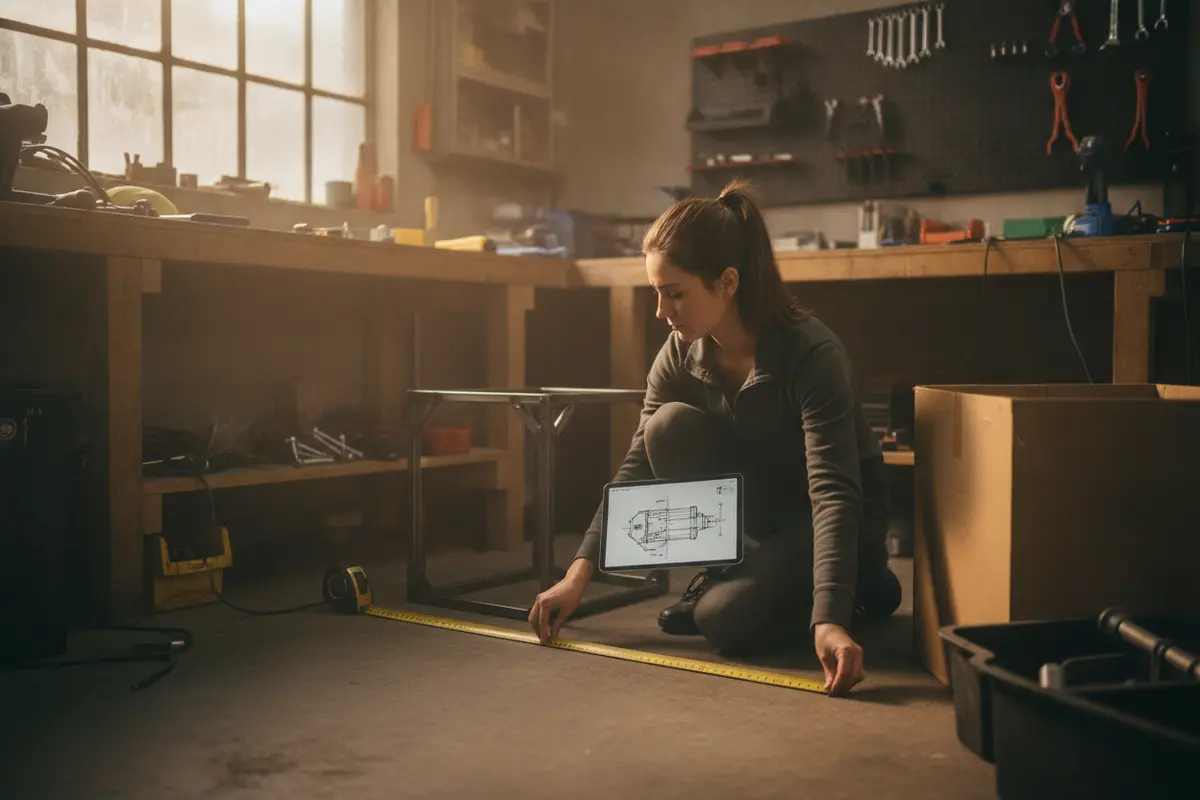
Next, test cash flow under more than one scenario. Use a conservative sales forecast, include regular operating expenses, and account for seasonality or slow customer payments. If the business can afford a payment only in its best-case month, the obligation may be too tight. Keep a reserve for payroll, supplies, rent, taxes, and unexpected repairs rather than treating all available cash as a down payment.
A startup with little operating history may find that a lender asks for more context about the owners, the business plan, the purchase, or its ability to repay. That does not mean there is one universal startup threshold. Review the lender’s actual requirements and explain the business clearly. Lyft Capital discusses its Business Loans separately from equipment funding; comparing options can help clarify whether the asset itself or broader business needs are driving the request.
How Do Purchase and Lease-Style Structures Differ?
Offers may use different structures and labels. A purchase-oriented financing arrangement generally involves borrowing toward an asset and repaying according to the agreement. A lease-style arrangement generally provides use of equipment for a defined period, with end-of-term choices controlled by the contract. The name alone does not tell you the total cost or what rights you receive. Read the agreement and ask a qualified professional if a clause is unclear.
| What to compare | Purchase-oriented financing | Lease-style arrangement |
|---|---|---|
| What you receive | Funding tied to an equipment purchase, subject to the agreement. | The right to use specified equipment under a lease contract. |
| End-of-term outcome | Check when ownership transfers and whether any balance or other condition remains. | Check whether you may return, renew, or purchase the equipment, and what conditions apply. |
| Use and maintenance | Confirm who handles repairs, insurance, and restrictions on use. | Confirm maintenance duties, permitted use, return condition, and any limits. |
| Cost to evaluate | Review the amount financed, payment schedule, total repayment, and any disclosed fees. | Review every scheduled payment, end-of-term costs, and any purchase or return charges. |
| Flexibility | Ask about early payoff, sale, or replacement rules. | Ask about early termination, upgrades, transfer, and return requirements. |
This table is a comparison checklist, not a statement that every lender offers both structures. Terms can differ significantly, even when two proposals use similar labels. Compare written offers on the same equipment, purchase price, and expected use period. Consider the total dollars due and the operational restrictions, not only the advertised payment amount.
Financing policies can also depend on the borrower and purpose. For example, the University of Texas System’s equipment financing guidelines describe rules for its institutions, including a minimum debt issuance and bundling smaller purchases. Those are institutional guidelines, not startup-lending requirements; they are a reminder to verify the rules in your own agreement rather than assuming one structure applies everywhere.
How Can a Startup Check Whether Payments Are Affordable?
Build a simple monthly cash-flow view before applying. List expected customer receipts by month, not just annual revenue, then subtract operating costs and existing debt obligations. Add the proposed equipment payment only after checking the asset’s full operating costs. Include a slower-sales scenario and ask whether the company could still pay on time if one customer pays late or a project starts later than expected.
Consider the useful life of the asset alongside the expected repayment period. It can be risky to take on payments that continue well after equipment is likely to need replacement or stop serving the business. Ask whether payments are fixed or can vary, when they begin, how often they are due, and what happens after a missed payment. Do not infer terms from a sales conversation; rely on the final written agreement.
For example, suppose a startup is considering a packaging system because hand-packing is limiting order volume. It should estimate the additional orders it can actually fulfill, the materials and labor needed for those orders, and the cash timing between buying supplies and collecting from customers. If payments depend on a strong increase in sales that the business has not yet secured, a smaller or used machine, or waiting until demand is proven, may be a safer comparison.
Businesses that need flexible funds for multiple operating expenses may also compare a Business Line of Credit, while a broader borrowing need may call for comparing Business Loans. These products are not interchangeable, and their availability and terms depend on review. Avoid borrowing more than the defined need simply because a larger amount appears available.
What Should You Prepare Before Applying?
Preparation helps a financing specialist understand both the purchase and the business behind it. Requirements differ by provider, so confirm what documents are needed before sending sensitive information. A practical starting folder may include:
- Equipment details: a current quote, seller information, model and specifications, and a clear explanation of how the asset will be used.
- Business records: recent business bank statements, revenue records, and financial statements if available.
- Business background: formation and ownership details, time in operation, products or services, and a short explanation of the customer base.
- Cash-flow estimate: monthly receipts and expenses, current obligations, and a conservative view of the payment capacity after the purchase.
- Purchase timeline: when the equipment is needed, expected delivery and setup, and any seller deadlines.

Make sure the numbers tell a consistent story. If revenue varies seasonally, explain the pattern rather than presenting a single unusually strong month as typical. If the company has not yet started generating revenue, be candid about that and ask what options, if any, may be considered. Do not overstate sales, time in business, or the expected return from the equipment.
Review a provider’s stated criteria before submitting applications. A focused application is more useful than sending the same request broadly without understanding the requirements. Multiple recent credit inquiries can be a concern for some financing reviews, and each application may involve its own process. If you are unsure about fit, ask what information is needed for an initial discussion before authorizing any review.
Lyft Capital’s business loan requirements guide can help owners think through common preparation questions, but the requirements for an equipment financing request may differ. You can also read its guide to how to get a small business loan for general application preparation. Confirm the exact list directly with the financing provider.
What Questions Should You Ask Before Accepting an Offer?
Ask for the full written terms and take enough time to understand them. A payment that appears manageable may have a longer schedule, a balloon payment, conditions on equipment use, or end-of-term obligations. The details are specific to the offer; never assume a feature is included unless the agreement says so.
- What is the total amount I will pay over the full agreement, and what costs are included or separate?
- What is the payment amount, frequency, start date, and duration?
- Is the equipment collateral, and what can happen if the business misses a payment?
- Who owns the equipment during the agreement and at the end?
- Are there restrictions on use, maintenance, relocation, resale, or replacement?
- What are the early payoff, cancellation, renewal, return, or purchase options?
- Which business or financing issuer is party to the agreement, and who should I contact with servicing questions?
Ask the provider to explain unfamiliar terms in plain language. Compare proposals with the same assumptions, then consider how each one affects cash reserves and flexibility. If you are uncertain about a legal, tax, accounting, or contract question, seek advice from an appropriate independent professional before signing.
What Other Funding Paths Could You Compare?
Depending on the asset, purchase timing, and business profile, other paths may be worth evaluating. Paying cash avoids a financing obligation but reduces reserves. Renting can help test whether a piece of equipment is needed regularly. Used equipment may lower the purchase amount, though condition, warranty, and downtime risk deserve attention. A conventional SBA Loan may be another path to research, but its eligibility, process, and intended use should be checked against current program rules and lender requirements.
Owners in a particular industry can research relevant considerations before deciding. For example, a restaurant’s needs may differ from a contractor’s, and equipment that supports recurring production differs from a one-time project asset. Lyft Capital has information about restaurant equipment financing and construction business financing. These resources can offer a starting point, not a promise that a particular business or item will qualify.
For broader planning, a startup can also review its cash-flow management approach before adding an obligation. When banks decline a request, that does not automatically make every alternative a good fit. Compare costs, conditions, and the business’s ability to repay rather than making a decision under pressure.
Explore your equipment funding options with Lyft Capital.
Frequently Asked Questions
Can a startup get equipment financing without a long operating history?
Possibly, but there is no universal startup rule. Providers may consider factors such as time in business, cash flow, credit profile, equipment details, and the requested amount. Ask what the provider reviews and share accurate information; approval is not guaranteed.
Does equipment financing always mean the business owns the equipment?
No. Ownership depends on the structure and contract. Review who owns the asset during the term, what happens at the end, and whether a purchase option, return, or other condition applies.
Can financing cover used equipment?
That depends on the provider and the specific item. Before applying, confirm whether used equipment is eligible and what seller, condition, valuation, or documentation details are required.
What if the equipment does not generate the expected revenue?
The repayment obligation may still remain under the agreement even if sales disappoint. Model a conservative scenario before borrowing, keep operating reserves where possible, and understand the consequences of late or missed payments before signing.
Ready to Evaluate Your Equipment Options?
Equipment financing can be useful when an asset has a defined business purpose and the repayment fits realistic cash flow. Compare purchase and lease-style structures, check the full agreement, and prepare a clear account of the equipment need before deciding. Lyft Capital provides Equipment Financing and other funding options for small businesses; speak with a financing specialist to discuss your situation, without assuming approval or particular terms.



0 Comments