
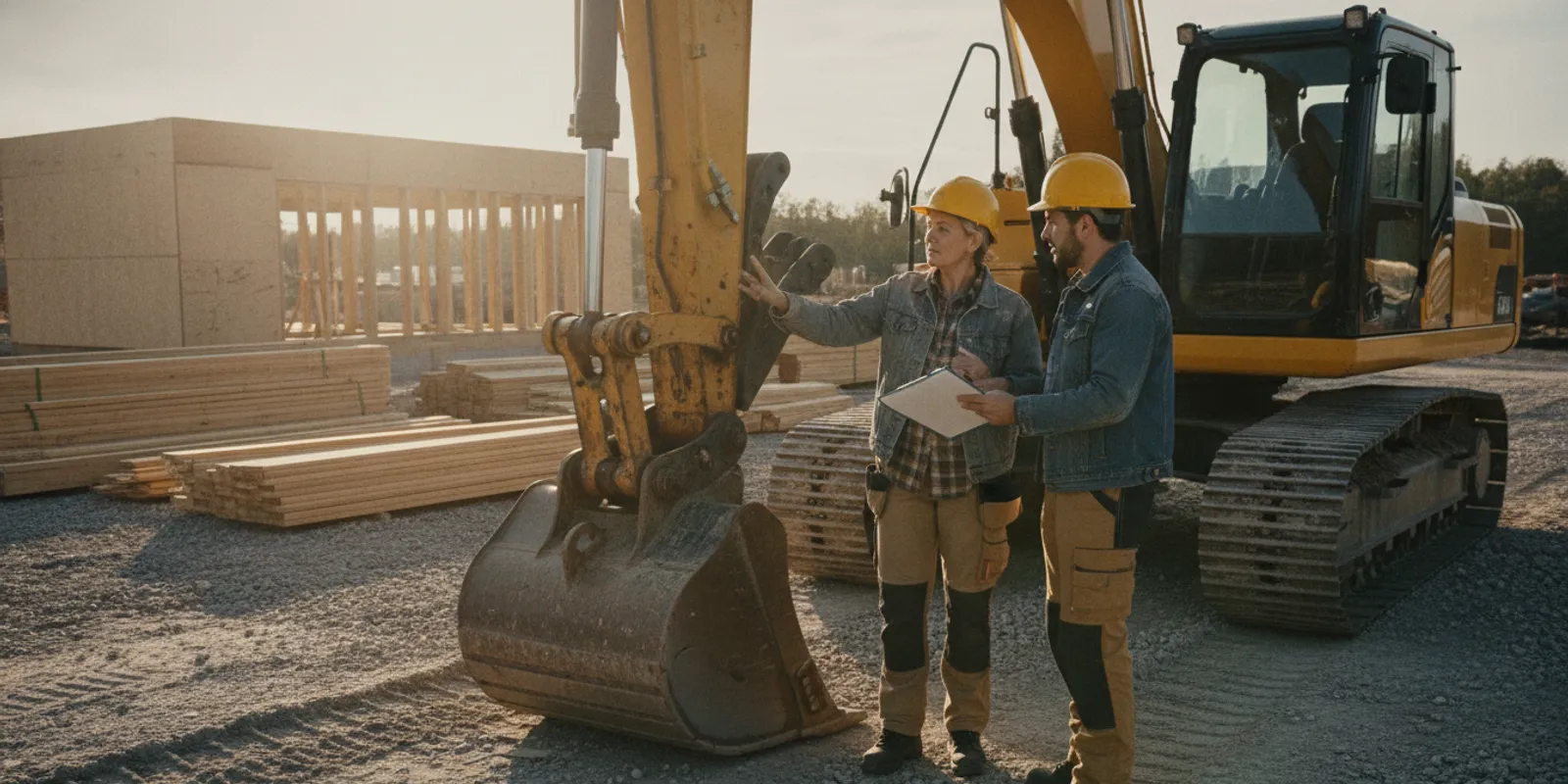
Heavy equipment financing can help a contractor or other operator acquire a machine without paying its full purchase price upfront. Before taking on payments, connect the machine to specific work, estimate the full cost of ownership, and check that repayment fits a conservative cash-flow plan—not just an optimistic project schedule.
Talk with a financing specialist about your equipment plans
In short: Start with a defined machine and a credible plan for using it. Compare its expected contribution with maintenance, insurance, transport, and downtime, then review the full repayment terms against business obligations in both a typical month and a slower one.
What should you evaluate before financing heavy equipment?
A large machine can expand capacity, reduce rental dependence, or let a business take on work it would otherwise turn away. It can also add fixed payments and operating costs that continue when weather, permitting, customer delays, or a repair keeps the machine idle. Make the decision around how the asset supports the operation, not only its price or the availability of financing.
Write down the jobs or recurring tasks the equipment is expected to support. Separate signed contracts and repeat demand from potential work that has not been awarded. Then answer four questions:
- What does the machine enable? Identify the work it can perform, the capacity it adds, and whether an existing machine or rental already covers that need.
- What is the full acquisition cost? Add the seller’s quote to delivery, setup, attachments, inspection, and any immediate repairs or upgrades.
- How long is it likely to serve the business? Consider age, condition, expected hours of use, maintenance history, and whether the proposed repayment horizon is sensible for the asset.
- Can the business carry it through a slow period? Include the proposed payment with payroll, materials, fuel, taxes, insurance, rent, existing debt, and other essential costs.
New and used machines should be compared on condition and likely downtime as well as price. A lower purchase price may be offset by repairs or lost work. Lyft Capital’s Equipment Financing page is a starting point for discussing a defined equipment purchase and the information a financing specialist may need.
How can you estimate whether the machine will pay its way?
Build a practical estimate using the work the machine is expected to support. One useful approach is to compare the machine’s expected contribution—not the entire contract value—with its incremental costs and financing obligation. If an excavator is needed for a project, for example, revenue from that job may also depend on crews, materials, other equipment, and project management. Avoid treating all project revenue as a return created by the excavator alone.
Estimate utilization in operating units that make sense for your business: days booked, hours used, jobs completed, or rentals displaced. Use a realistic baseline, not a schedule that assumes every week is fully booked. Add direct costs such as an operator’s time, fuel, transport, regular maintenance, and insurance. Then consider what happens if utilization is lower or a customer pays late.
A simple three-case worksheet can expose assumptions:
- Expected case: Use the work you have good reason to expect, with ordinary expenses and normal payment timing.
- Slower case: Reduce the assumed hours or jobs and include a project delay or a period out of service.
- Upside case: Include additional work only as a possibility, not as the revenue needed to make the payment affordable.
For each case, list expected collections, core operating expenses, existing debt payments, the new proposed payment, and the remaining cash cushion. If the plan works only in the upside case, revisit the purchase size, timing, down payment, or alternatives. Keep some liquidity for payroll, taxes, repairs, and other expenses that cannot wait for a customer’s next payment.
What ownership costs belong in the comparison?
The financing payment is only one part of owning heavy equipment. Before deciding, ask the seller or a qualified mechanic what work the machine may need soon, and estimate the costs that follow it to the job site. Depending on the asset and how it is used, the budget may include:
- Purchase price, down payment, delivery, setup, and attachments.
- Routine service, wear items, repairs, and access to replacement parts.
- Fuel, operator labor, transport, storage, and job-site preparation.
- Insurance and any required inspections or safety-related equipment.
- Lost production if a machine is unavailable during a scheduled job.
- End-of-use costs or resale uncertainty if the business plans to replace it.
Do not assume that every cost will be financed or that a lender will evaluate every line item the same way. Ask what is included in the specific offer and what must be covered separately. Tax treatment depends on the business’s circumstances; consult a tax professional rather than building a purchase decision around an assumed deduction.
How do the funding approaches compare?
Each funding approach has a different purpose, and availability and terms depend on the provider and review. Use this table to frame questions, not as a claim that one structure is right for every purchase.
| Approach | May be worth considering when | Compare these details |
|---|---|---|
| Equipment Financing | You are acquiring a specific machine or other defined asset. | Asset requirements, contribution, payment schedule, total repayment, collateral, and any conditions on the equipment. |
| Business Loans | You need funds for a broader business purpose or a mix of eligible expenses. | Permitted uses, amount, term, payment frequency, fees, and total repayment. |
| Business Line of Credit | You need flexible access for changing or recurring cash needs. | Draw and repayment rules, costs, availability, and whether the structure suits a large fixed purchase. |
| Cash reserves | Avoiding a new borrowing obligation is a priority and reserves are sufficient. | Cash remaining for payroll, taxes, repairs, and other operating surprises after purchase. |
| Rental or lease arrangement | Demand is temporary, uncertain, or seasonal, or you want to assess utilization before buying. | Availability, duration, delivery, usage limits, maintenance responsibility, and total cost over the expected period. |
Read about Lyft Capital’s Business Loans and Business Line of Credit to understand their general purposes. If you are also considering an SBA-backed route for a broader financing need, the U.S. Small Business Administration’s official website provides information and resources on small-business financing programs. Eligibility, timing, and terms vary, so compare the actual offer and process rather than assuming two options work alike.
How should you inspect a used machine before applying?
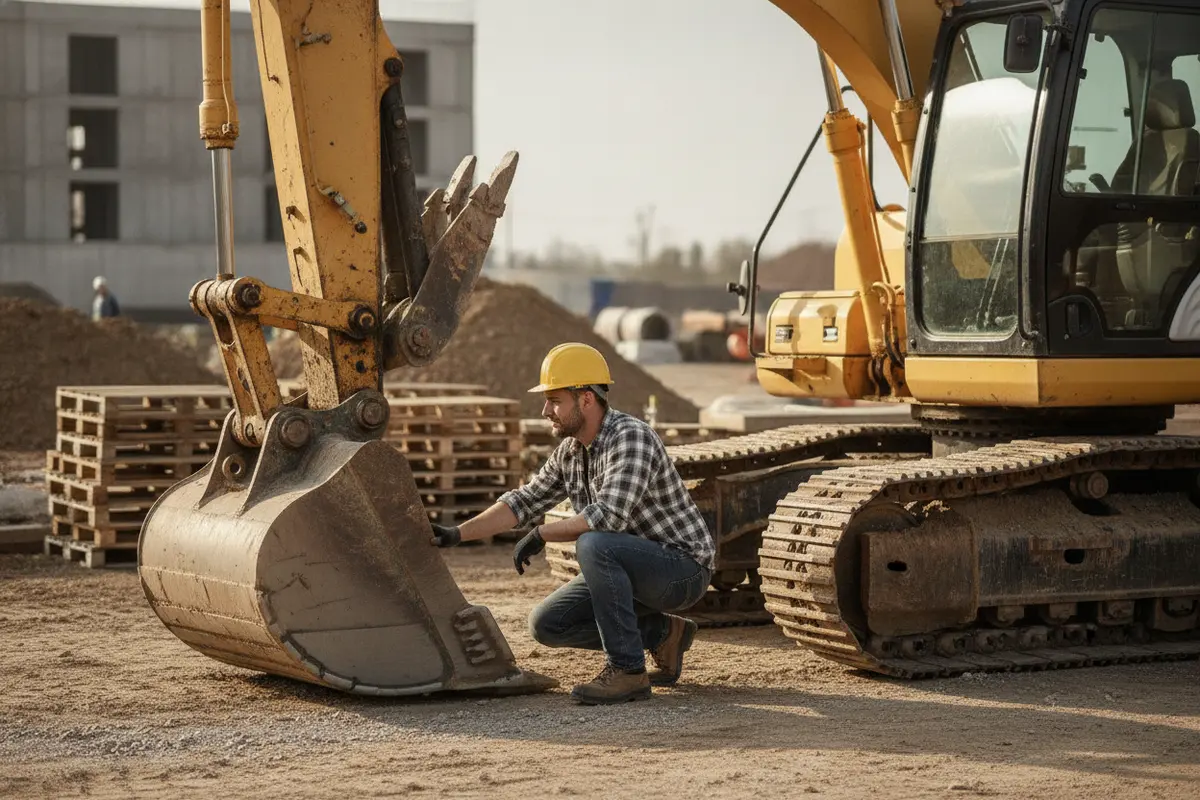
When the equipment is used, due diligence matters because condition can affect both the purchase cost and the business’s ability to put the asset to work. Gather the make, model, year, hours, seller details, asking price, and available service records. If possible, arrange an independent inspection before you commit. Ask the inspector to identify near-term maintenance needs, signs of unusual wear, and components whose failure could interrupt planned work.
Confirm that the quoted asset matches the one you intend to buy, including attachments and serial or identifying details where applicable. Clarify who is responsible for transport and whether the machine can be delivered when the job schedule requires it. If an inspection turns up a repair, update the cost estimate and cash-flow scenarios instead of treating the finding as a minor detail.
What information should you prepare for a financing discussion?
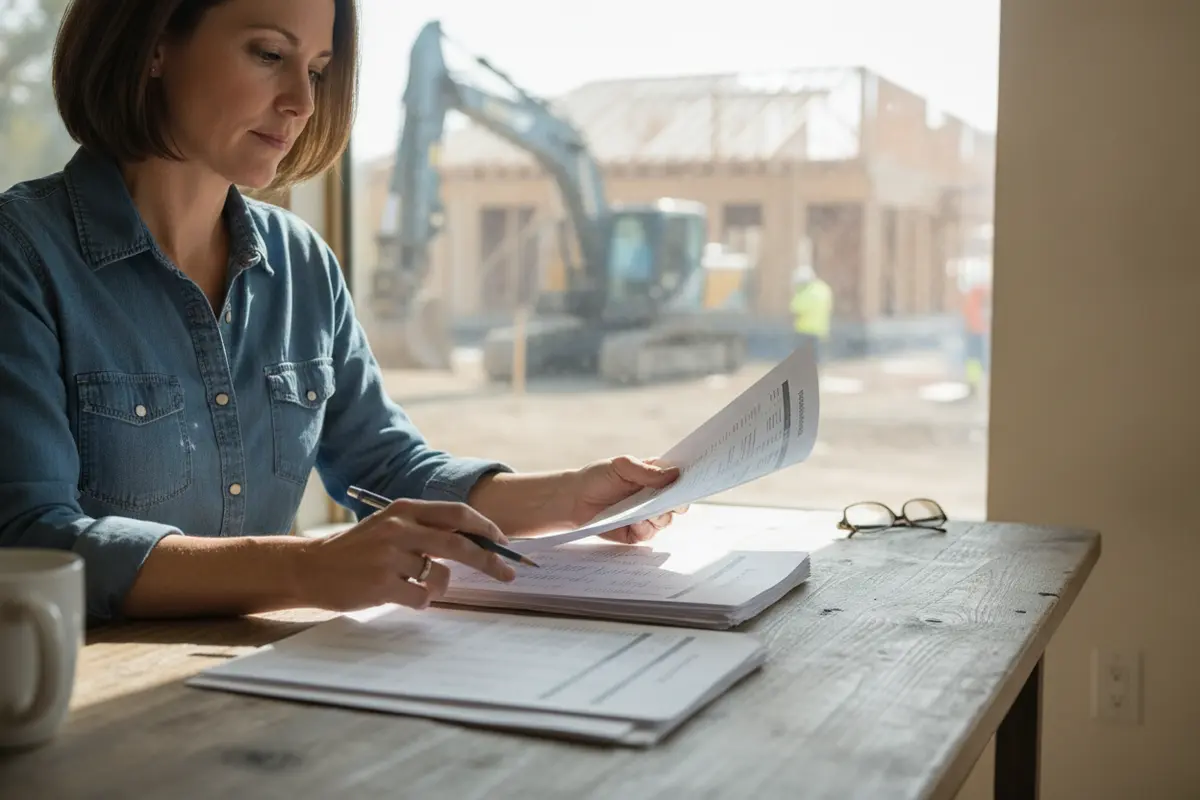
Organized information can make it easier to explain the purchase and get answers about fit. Requirements vary by product and review, so confirm what is needed for your application. Start with a folder containing:
- The equipment quote, make and model, year, condition, intended use, and seller information.
- Inspection findings or maintenance records for used equipment, if available.
- A short description of the jobs or operating need the machine will support.
- Recent business bank statements and revenue information.
- Time in business, ownership details, existing monthly obligations, and an estimate of operating costs.
- Business tax or financial records if requested during review.
- Project contracts or a pipeline summary that helps explain expected utilization.
Lyft Capital’s approved Equipment Financing inputs list two years in business, $400,000 in annual revenue, and a 660 minimum credit score. These are eligibility inputs, not a promise of approval. The approved inputs do not state a maximum amount or limit, so do not assume a particular funding ceiling. Review the Equipment Financing information and ask a specialist to clarify current requirements for your situation.
If your request involves more than one business need, explain which costs relate directly to the machine and which are separate. A clear use of funds helps the financing conversation stay focused. A specialist can discuss options with you; the funding issuer will be identified in the funding agreement.
How can you compare financing offers fairly?
Put offers side by side using the same purchase amount and the same assumptions about timing. Ask for the amount financed, any contribution required, payment amount and frequency, repayment length, fees, total amount due, and the date payments begin. Confirm whether payments are fixed, whether early repayment changes the cost, what collateral or security interest is involved, and what happens if a payment is late.
Do not compare only one headline figure. A lower regular payment may run for longer, while a shorter repayment period can create greater pressure on monthly cash. Ask whether there are conditions tied to the asset, how the funding is disbursed, and whether required documents or inspections could affect the timeline. Request current terms in writing and read the funding agreement before signing.
Next, test the payment against your cautious cash-flow case. For example, if a contractor expects a project to pause between phases, include the gap rather than spreading project income evenly across the year. Subtract payroll, rent, materials, existing debt, taxes, and routine equipment costs from collections. Then include the proposed payment. If the business has little remaining room for a repair or a late invoice, consider changing the timing or finding a less demanding purchase plan.
Lyft Capital does not publish a universal rate for every applicant. A financing specialist can discuss terms available after review. You can also read how Lyft Capital works with business owners and its SBA Loans information if another funding path may be relevant.
When can heavy equipment financing be a practical choice?
It may be worth exploring when a machine has a defined role in ongoing work, the business can support the proposed payment in a slower month, and the expected period of use makes sense alongside the repayment horizon. Consider a landscaping contractor that regularly rents a particular loader. The owner can compare recurring rental expense with the full cost of ownership, including maintenance, insurance, transport, operator time, and potential downtime. The comparison should also account for cash needed for other jobs and operating needs.
Financing may be less suitable when demand depends on one uncertain project, business revenue is declining, the machine is likely to be underused, or payments would consume reserves needed for essential costs. Alternatives could include renting for a limited project, buying a different used machine after inspection, delaying the purchase until demand is clearer, or adjusting project terms. Compare these paths using the same time period and realistic use assumptions.
Where does Lyft Capital fit?
Lyft Capital offers Equipment Financing and personalized guidance from dedicated financing specialists for small businesses that may not fit traditional bank criteria. The approved Equipment Financing inputs are two years in business, $400,000 in annual revenue, and a 660 minimum credit score; they do not set a maximum amount. Eligibility and terms are subject to review. Pre-approval may be available in minutes and funding may be available within 24 hours, but neither approval nor timing is guaranteed.
When banks say no, we say yes. A useful conversation starts with the machine, how it will be used, and the payment your cash-flow plan can support. If you are ready to discuss the purchase, Lyft Capital’s contact page is one way to reach a financing specialist. You can also review questions about used equipment financing as part of your purchase research.
Check your business funding options
Frequently asked questions
Is there a maximum amount for Equipment Financing?
The approved inputs do not specify a maximum amount or limit. Ask a financing specialist what may be available for the specific equipment and business profile under review.
Does the equipment itself determine approval?
No single factor determines an outcome. Asset details matter, but business revenue, time in business, credit, cash flow, and the overall application may also be reviewed.
Can I finance used heavy equipment?
Possibly, depending on the product and review. Prepare the machine’s age, condition, seller information, inspection results if available, and price so the provider can explain whether it fits current requirements.
What should I do if the payment works only during busy months?
Rework the forecast using a slower period and include payroll, taxes, existing obligations, maintenance, and the proposed payment. If the plan leaves too little cash for ordinary needs, consider a smaller purchase, rental, or a later buying date.
How quickly can funding be available?
Pre-approval may be available in minutes and funding may be available within 24 hours, subject to approval and review. Timing is not guaranteed; confirm the expected steps for your application.
A careful comparison helps you choose equipment and repayment terms that support the work without leaving everyday cash needs exposed.


0 Comments